
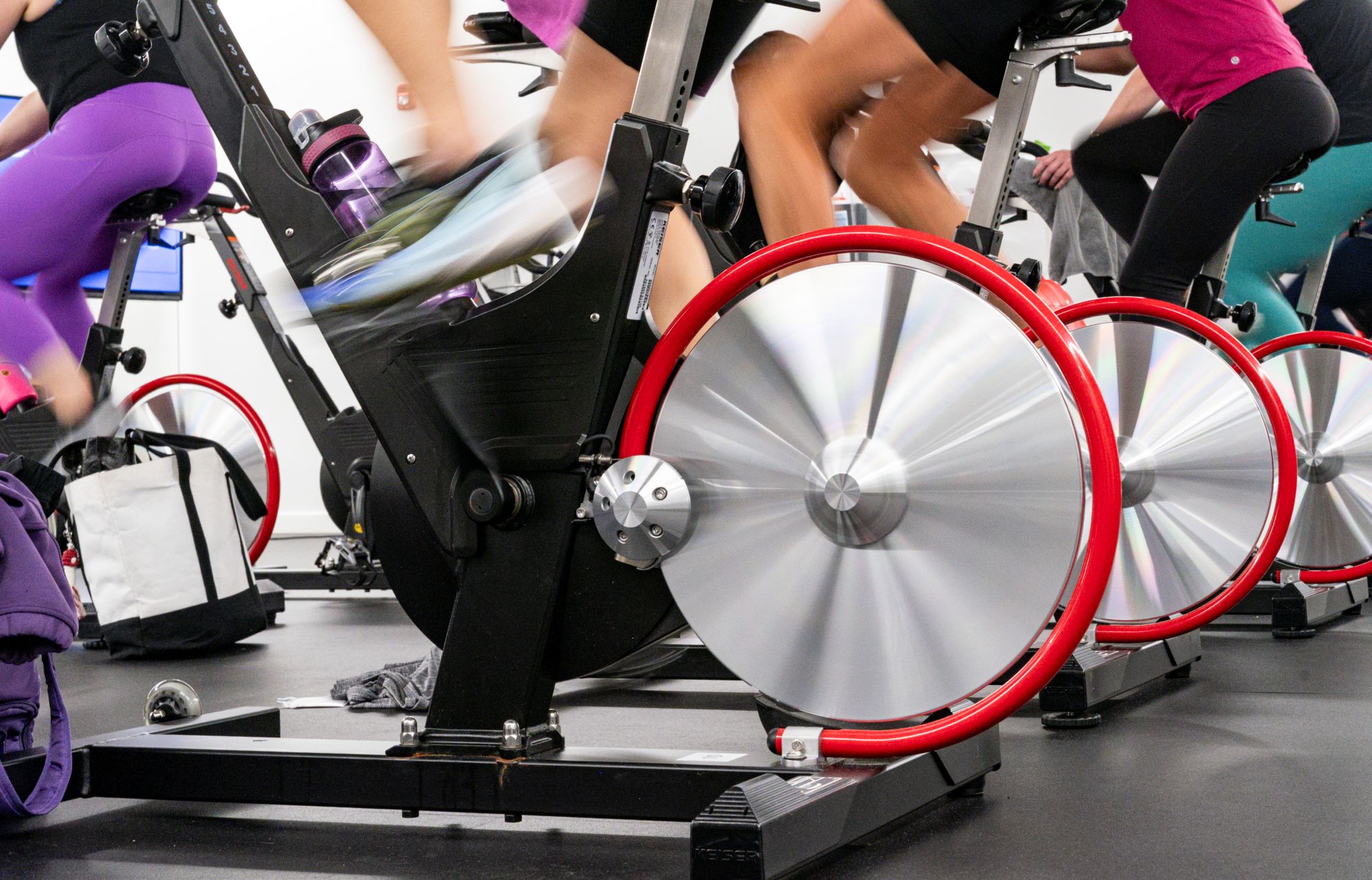
A recent CBC News article highlighted a growing concern with the headline: “Exercising too hard is landing some young women in hospital, experts warn.”
While this issue is being reported in Canada, it is happening worldwide—and cases appear to be on the rise. Click here for article.
What is the Condition?
Rhabdomyolysis (often called “rhabdo”) is a serious medical condition in which muscle tissue breaks down rapidly.
This process releases proteins such as myoglobin into the bloodstream, which can damage the kidneys and, in severe cases, become life-threatening.
Why It’s Happening in Fitness Classes
Although the most common cause of rhabdo is traumatic injury, it is increasingly being seen as a result of exercise, often following an intense class or training session.
It’s important to emphasize that fitness classes themselves are not the problem. The issue is typically how the workout is delivered and performed.
Rhabdo has been linked to the following factors:
1. Too Much Intensity, Too Fast
- New participants jumping into high-intensity workouts (e.g., bootcamps, HIIT, indoor cycling)
- Doing more than their body is conditioned for
2. High-Rep, Repetitive Movements
- Exercises like squats, lunges, or push-ups performed to exhaustion
- Repeated stress on one muscle group
- Inadequate rest and recovery
- Intense exercise in hot environments
3. “Push Through the Pain” Culture
- Ignoring early warning signs
- Competitive or high-pressure environments
4. Dehydration
- Inadequate fluid intake increases risk
5. Eccentric Loading
- Movements where muscles lengthen under heavy load (e.g., lowering phase of a squat or bicep curl)
6. Returning After a Break
- Participants trying to match previous performance levels too quickly
7. Limited Instructor Visibility (e.g., Indoor Cycling)
- Difficulty accurately gauging individual effort levels
8. Social Media Pressure
- Pressure to keep up with others
- Influence to push beyond safe limits
Warning Signs to Watch For
Symptoms typically appear 24–72 hours after exercise:
- Severe muscle pain (beyond typical soreness)
- Swelling and stiffness
- Nausea
- Weakness or difficulty moving
- Dark, cola-colored urine (major red flag)
Most Common Muscles Affected
Although rhabdo can affect any muscle, it most commonly impacts proximal muscle groups, including:
- Deltoids
- Biceps
- Quadriceps
- Quadratus lumborum
- Gastrocnemius
These muscles are more susceptible due to their high concentration of muscle fibres and their potential for high-force output and rapid breakdown under stress.
Why This Matters for Fitness Leaders
For organizations like the Manitoba Fitness Council, this reinforces the importance of:
- Proper progression and scaling
- Participant screening (e.g., PAR-Q+)
- Education over intensity
- The value of certified, knowledgeable fitness leaders
How to Help Prevent Rhabdo
- Start gradually, especially for new or returning participants
- Provide modifications and rest options
- Encourage proper hydration
- Avoid pushing participants to absolute failure, particularly early on
- Reinforce the message:
“Sore is okay—extreme pain is not.”
Read More: Fitness Essentials: Exercise Screening Tools
About the Author
 Stephanie Jeffrey, BMGNT, holds almost 25 years of experience in recreation, fitness and community development. She believes in not only talking about physical activity but getting out and being active. In addition to her role as the Executive Director and Evaluator of fitness leaders for the Manitoba Fitness Council, she is a certified fitness leader, leading classes weekly both online and in person.